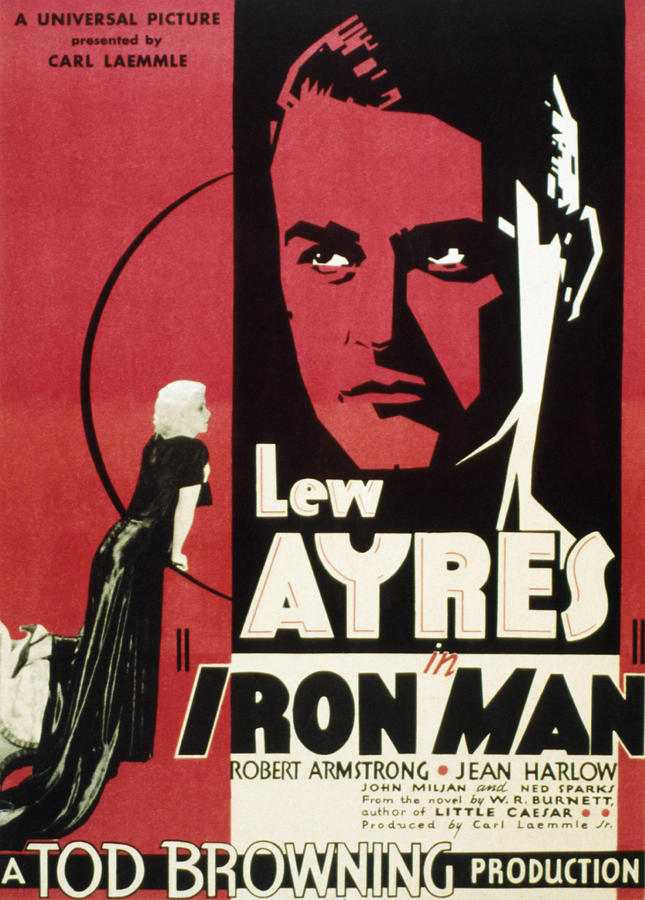
“The Amazing Love Story of a Boy and His Blonde! He Loved Her…Fought for Her…Threw Away His Friends for Her…and Was BETRAYED BY HER!”
Sound film — 73 mins.
Universal Pictures Corp. / Dir. Tod Browning
Production: January 19, 1931 — February 20, 1931
Release date: April 30, 1931
Survival/release status: Extant; available to watch online and on DVD.
Cast: Lew Ayres (Kid Mason), Jean Harlow (Rose Mason), Robert Armstrong (George Regan), John Miljan (Paul Lewis), Mary Doran (Showgirl), Mildred Van Dorn (Gladys De Vere), Eddie Dillon (Jeff), Ned Sparks (Riley).
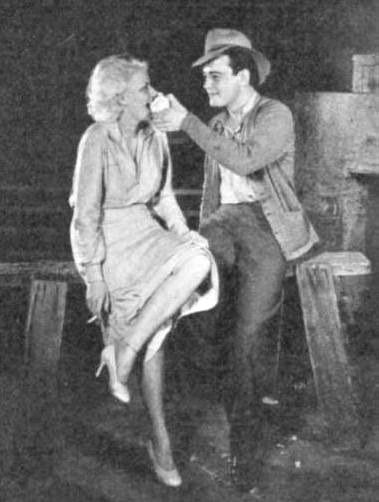
Summary: Lightweight boxer Kid Mason (Lew Ayres)–whose title apparently refers to both his physical and mental states–finds himself at the mercy of his rotten, gold-digging wife Rose (Jean Harlow), who leaves him for the lights of Hollywood as soon as he loses a bout. Mason soon finds success and the tough sobriquet of ‘Iron Man’, but with that comes Rose slithering back to him.
Trivia:
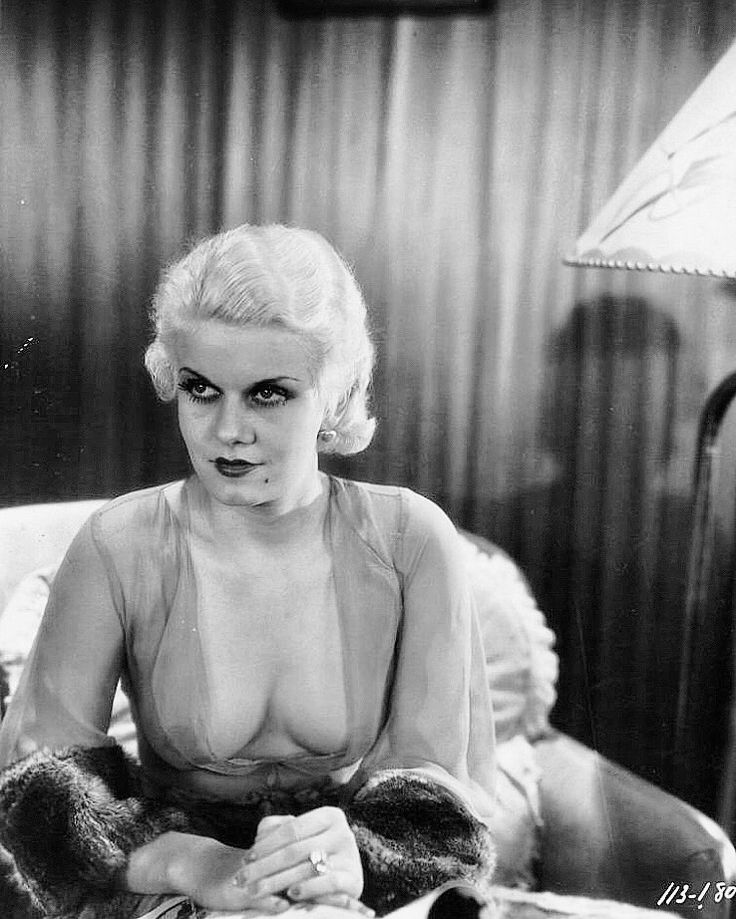
- Harlow’s only film with Universal, and her only experience working with Tod Browning. While The Secret Six was Harlow’s first gangland role, Iron Man saw a return to the gold-digging debutante with bad English that Hell’s Angels had so firmly typed her as; the men around her soon discovered her this was not the case in real life. Actor William Bakewell, enthralled by Harlow’s revealing costumes on set, asked her out to a night of dinner and dancing. Instead of going to a club, Harlow took Bakewell to her best friend Barbara Brown’s house to show him her scrapbooks. “Despite her provocative style, I found her to be an ordinary, average kid,” he recalled, and Lew Ayres agreed: “A sexy looking gal who was actually a very nice one.”
- In February 1936, Joseph Breen of the Production Code Administration initially denied Iron Man its post-Code seal of approval for rerelease, as scenes with Harlow’s ‘indecently exposed’ breasts and wholly ‘objectionable’ costumes were ‘so numerous throughout the picture that that it would seem to us to be an impracticable job to attempt to delete them.’ Even upon its original release in 1931, multiple state censor boards (as recorded by the film’s PCA file) deleted scenes of Harlow’s ‘indecent exposure’, or, in nicer terms, her ‘extreme décolleté.’
Stills and ad art: