
After being exposed to the glamorous and thriving environment of Los Angeles, Harlean’s return to Kansas City in March 1925 must have seemed lackluster.
Perturbed by his daughter and concerned for his granddaughter, Skip Harlow decided the two needed something to keep them apart as Harlean turned fourteen. That something was a French convent; and the Harlows weren’t even Catholic.
Notre Dame de Sion School in south Kansas City opened in 1912, spearheaded by a congregation of strict Catholic sisters. One can see the idea Skip Harlow had of shaping Harlean into a modest, upstanding young lady, the opposite of how Jean Carpenter had developed. The idea didn’t work and Harlean lasted four months.
“Mother was so lonely that I left after one semester and became a pupil at Miss Bigelow’s School, where I was able to go home every afternoon,” Jean stated in a 1934 interview. The real reason probably lies in the extreme discipline Catholic students experienced, a kind Harlean had never been exposed to.
Miss Bigelow’s School was opened by Lucy Stowe Bigelow around the turn of the century and boasted unique subjects, such as the Greek language. Another perk was its’ small class sizes: Harlean was one of seven.
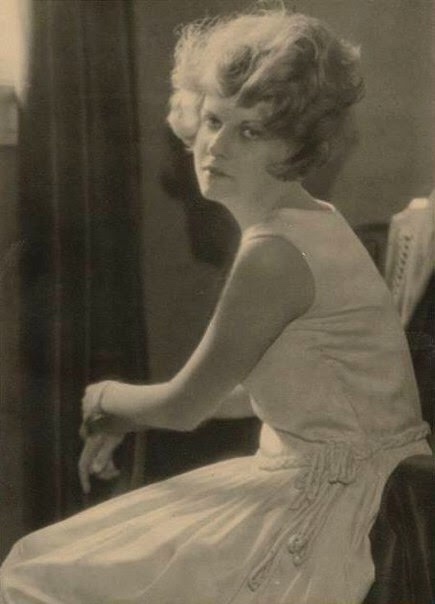
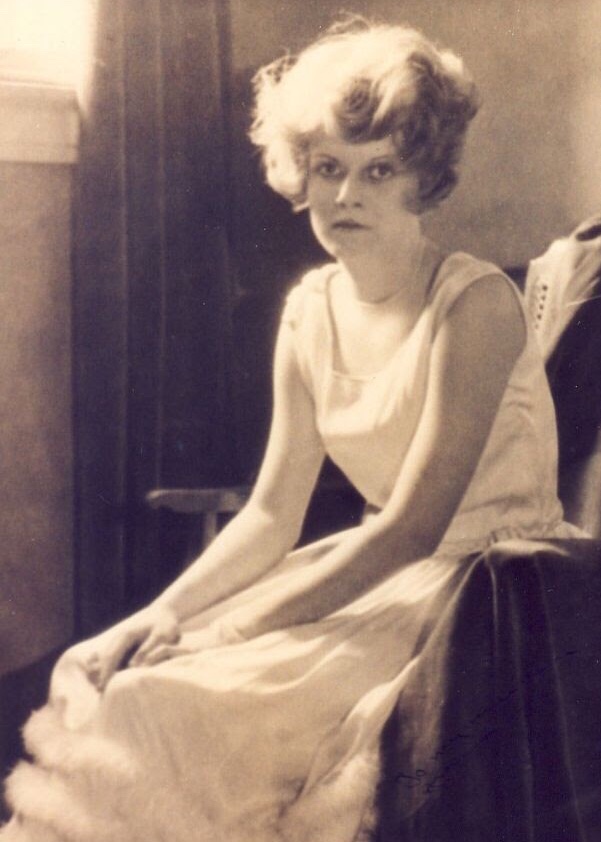
In the summer of 1926, Skip Harlow had bigger ideas to separate Harlean from her overbearing but aloof mother. He sent fifteen year old Harlean to Camp Cha-Ton-Ka in Michigamme, Michigan, where she would spend the summer on the shores of Lake Michigamme.
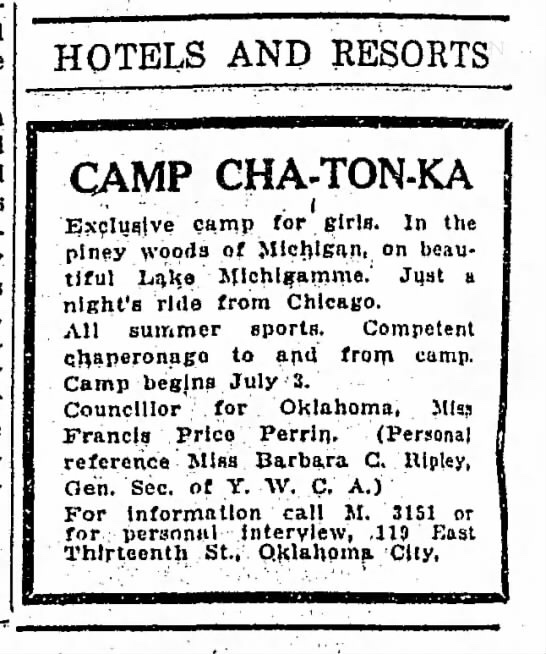
An athletic girl, the trip should have been fun for Harlean but it was anything but enjoyable. “That camp still remains the worst nightmare of my life,” she recalled later, “I don’t know how I lived through it.”
She got off to a rough start after she was thrown into the lake by other girls for showing off a new storebought skirt from Chicago. Always amiable, Harlean laughed it off and carried on.
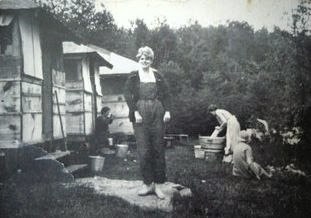
In the middle of her trip, Harlean and another camper fell ill with scarlet fever. Afraid of an outbreak, the camp placed the two in quarantine.
“They put us in a tent away from the main camp, and there they left us,” Harlow remembered her predicament, “Everyone was afraid to come near us but a country doctor.”
Everyone did not include Jean Carpenter. Upon hearing of Harlean’s illness, she travelled by train to get to the camp immediately. Her enthusiasm was not shared by the staff, who denied her entry.
Always prone to theatrics, Jean Carpenter canoed across Lake Michigamme (the largest lake in Michigan) to get to her daughter.
Harlean’s fever persisted for three more weeks. Her mother stayed the duration of her illness, much to everyone’s chagrin. 
“There’s nothing worse than having your mother at summer camp,” said Harlean’s cabinmate Jean Moore, “especially if you had her mother.”
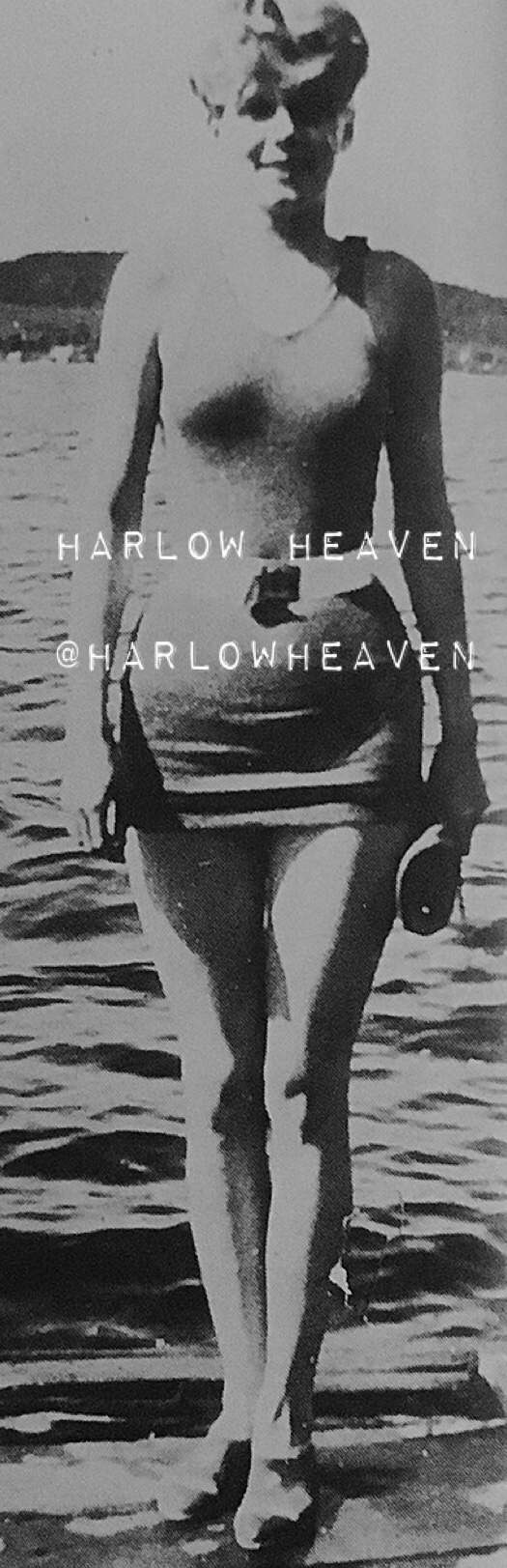
If things with Harlean’s mother seem sketchy now, they’re about to get a little worse upon her departure from Michigan.
Jean Carpenter again travelled all the way to Lake Michigamme to retrieve her daughter at summer’s end, and the two stopped off in Chicago to wait for the next train.
They decided to dine at the College Inn restaurant inside the ritzy Hotel Sherman.
Unbeknownst to them, the Sherman Hotel employed a middle-aged Italian immigrant by the name of Marino Bello.
Bello introduced himself to Jean Carpenter at dinner, and the two got on immediately. A slimy type, Bello got around by wooing women with his old-world charm and pocketing their money. Bello’s corny theatrics matched Jean Carpenter’s perfectly, and she fell in love. He was a perfect replacement for Harlean’s milquetoast father.
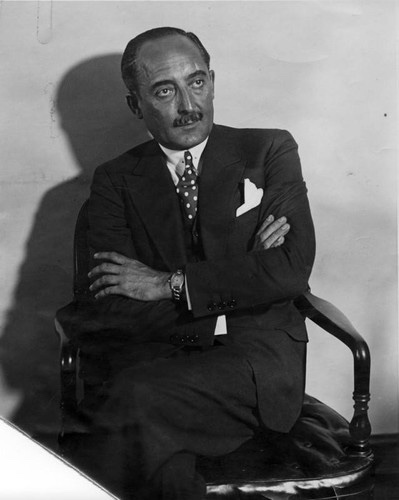
A week later Marino Bello was visiting Jean and Harlean at their apartment in Kansas City. Skip Harlow was back at square one. Now he had to rescue his granddaughter from Bello’s clutches.
“He detested him [Bello]”, Jean Carpenter’s cousin Hortense said of Skip, “He said Bello was a gold digger, and of course he was right.”
Skip instantly threatened to take custody of Harlean unless his daughter disposed of her playboy. Jean Carpenter would do no such thing, and instead suggested Harlean be sent away to another school.
Jean, however, would never give up control of Harlean and came up with her own elaborate plan.
Harlean was placed in Lake Forest’s Ferry Hall on September 14th, 1926. It was an upstanding girl’s academy in Illinois that also happened to be a short distance from Chicago. The school was even closer to Highland Park, where Marino Bello kept a house and wife.
Jean Carpenter kept an ongoing affair with Bello while making visits to Harlean at Ferry Hall. Meanwhile, she took up residence in a room at the Highland Park Hotel.
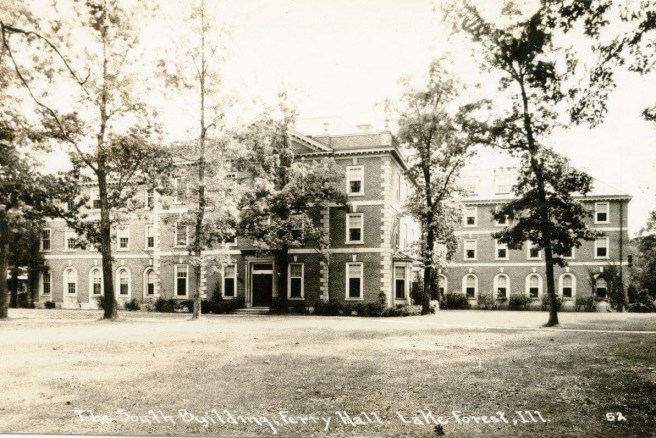
Now a freshman, Harlean wasn’t behind by any means. Ferry Hall placed incoming girls with a “Big Sister” in the form of a senior to help them get along in the new environment. Harlean’s big sister was Jada Leland.
“Even at that age, Harlean Carpenter was the most gorgeous creature I ever saw,” Jada Leland told David Stenn as written in Bombshell.
“[…] When we walked down the street, she would literally stop traffic. Men would climb out of her cars and follow her.”
By the late fall of 1926, Jada thought Harlean mature enough to double date with her and fiancé Albert Forrest in Chicago. On a whim they decided to set up a blind date with Forrest’s best friend, twenty year old Charles McGrew II.
Charles and Harlean hit it off on their blind date and were soon head over heels for each other.
“It was love — or infatuation — at first sight,” remembered Ferry Hall alumni Virginia Bosch, “From then on Harlean monopolized the one telephone in the dorm.”
As the last days of 1926 passed them by, the romance between Chuck and Harlean had grown to encompass them completely.
More about these young lovers into the year 1927 will be detailed in my next posting for Jean Harlow in the 1920s.
Citations and Sources
Harlow, J. (1934, September). The Authentic Story of My Life. New Movie Magazine.
Parsons, L. (1964). Jean Harlow’s Life Story(2nd ed.). Dunellen, N.J.: Dell Publishing.
Rooney, D., & Vieira, M. A. (2011). Harlow In Hollywood: The Blonde Bombshell in the Glamour Capital, 1928-1937. Angel City Press.
Stenn, D. (1993). Bombshell: The Life and Death of Jean Harlow(1st ed.). Doubleday.

